Special Offer: Use code ILOVEPLANTS for 25% off on all digital products! Shop Now →

The friendly houseplant resource
Grow happier, healthier houseplants.
Easy houseplant care guides, free plant tools and simple fixes for every plant parent.
Try Plant Doctor →
Try Plant Doctor →
Beginner-friendly advice
Easy, practical and actionable tips.
No-signup free tools
Helpful plant tools for everyone.
Clear pet-safety guidance
Check if a plant is safe for your pets.
What can we help you with today?
Find care for your plant
Or browse by situation
New to plants? Start here
Your first three steps to happy houseplants
Beginner ebook
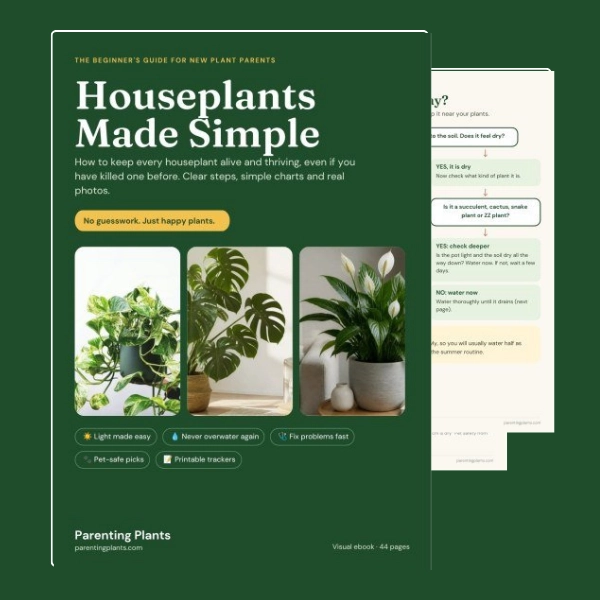
Houseplants Made Simple
Everything a new plant parent needs in 44 easy pages, with printable trackers.
Get the ebook · $9.99 →
This season
Winter plant care checklist
Shorter days slow most houseplants down. Three changes keep them healthy until spring.
Water less often
Growth slows in winter, so soil stays wet longer. Check before every watering.
Move plants closer to light
Shift plants nearer bright windows, away from cold glass, drafts and radiators.
Enjoy holiday bloomers
Christmas cactus and poinsettia are in season. Here is how to keep them blooming.
Free tools for confident plant care
Helpful answers, no account needed.
Plant Matchmaker
Find the right plants for your home and lifestyle.
Try now →
Plant Care Toolkit
Watering, light and pot-size helpers for everyday care.
Explore now →
Plant Doctor
Identify common plant problems and get solutions.
Get help →
Toxicity Checker
Check if a plant is safe for cats and dogs.
Check a plant →
Meet the plant parent
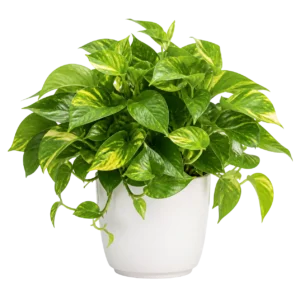
Hi, I’m Manik. My plant journey started with one pothos.
Since then I’ve grown everything from hardy succulents to fussy tropicals, and learned most lessons the hard way. Parenting Plants is where I share what actually works, so your plants can skip the trial and error.
- Written from hands-on growing experience
- Checked against university extension sources and the ASPCA
- Updated when we learn something new
Free resources for plant parents
Practical tools to help you plan, track and care for your plants with confidence.
Guides worth keeping
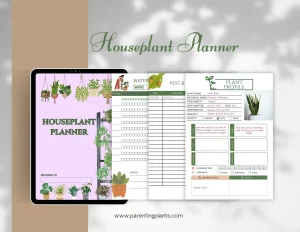
Helpful ebooks and printables to make plant care easier and more fun.
Tools we recommend
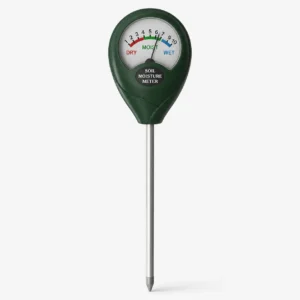
Helpful picks, chosen for everyday plant care.
ⓘ Helpful picks, chosen for everyday plant care. We may earn a small commission at no extra cost to you. Learn more.
Quick answers to common plant questions
How often should I water houseplants?
There is no fixed schedule. Most tropical houseplants need water when the top 2 to 5 cm (1 to 2 inches) of soil is dry. Water thoroughly until it drains, then empty the saucer. Succulents and snake plants can dry out fully between waterings. Read the watering guide.
Why are my plant’s leaves turning yellow?
Overwatering is the most common cause, especially when lower leaves yellow and the soil stays soggy. Too little light, underwatering, pests and natural ageing of old leaves can also cause it. Check the soil moisture first. See all 7 causes and fixes.
What is the easiest houseplant for beginners?
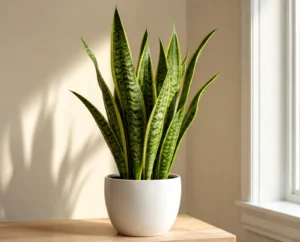
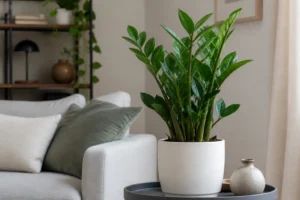
Snake plant, ZZ plant and pothos are the most forgiving. All three tolerate lower light and the occasional missed watering, and they recover quickly from mistakes. See 12 easy houseplants.
Which houseplants are safe for cats and dogs?
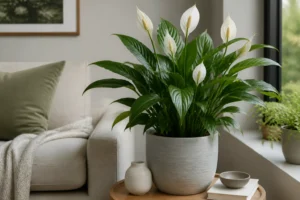
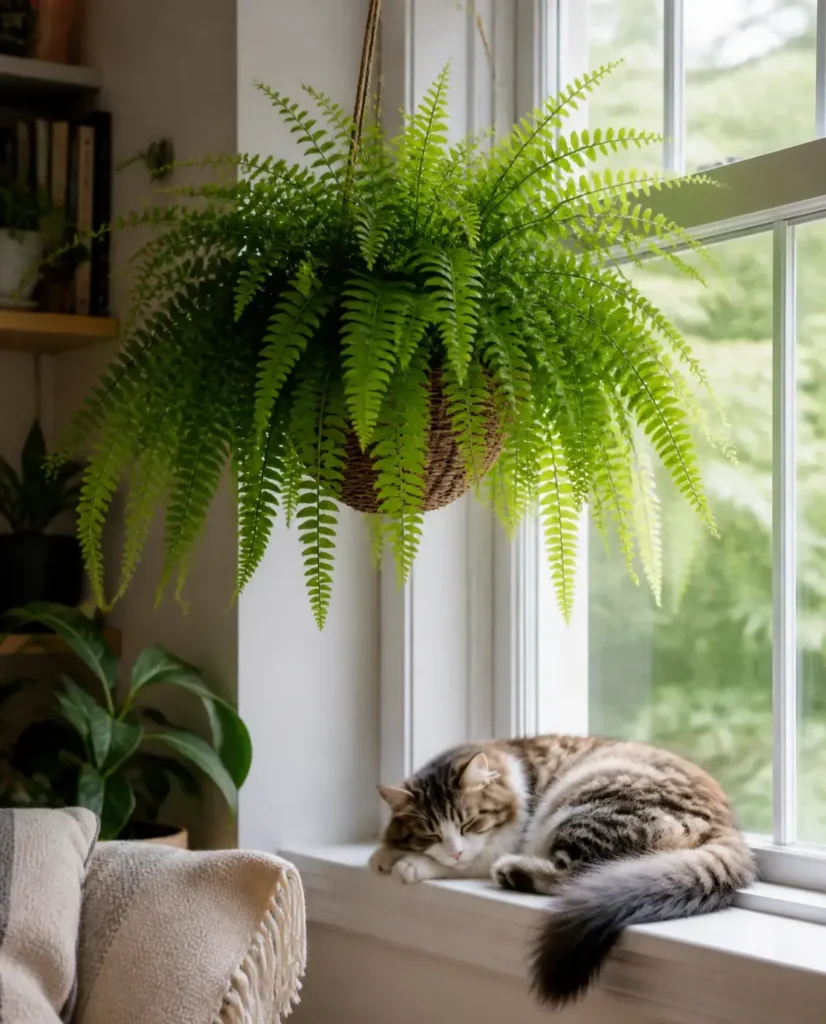
Spider plant, Boston fern, calathea, African violet, Chinese money plant and Christmas cactus are listed as non-toxic by the ASPCA. Pothos, snake plant, ZZ plant, monstera and peace lily are toxic to pets. See 13 pet-safe plants.
How much light do houseplants need?
Most common houseplants grow best in bright, indirect light, such as near an east window or a few feet back from a south or west window. Low-light plants survive dimmer spots but grow slowly. Leggy stems and small leaves mean too little light. Find the right light.
When should I repot a houseplant?
Repot when roots circle the pot or grow out of the drainage holes, or when water runs straight through. Most plants need it every 1 to 2 years, ideally in spring, into a pot just 2 to 5 cm (1 to 2 inches) wider. Read the repotting guide.
A little more green in your inbox
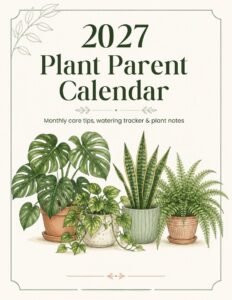
Get the free 2027 Plant Parent Calendar and occasional practical plant tips.
14 printable pages · No spam, unsubscribe anytime